Product Design
Tiggo - Making Public Projects Actually Reach Public Designers
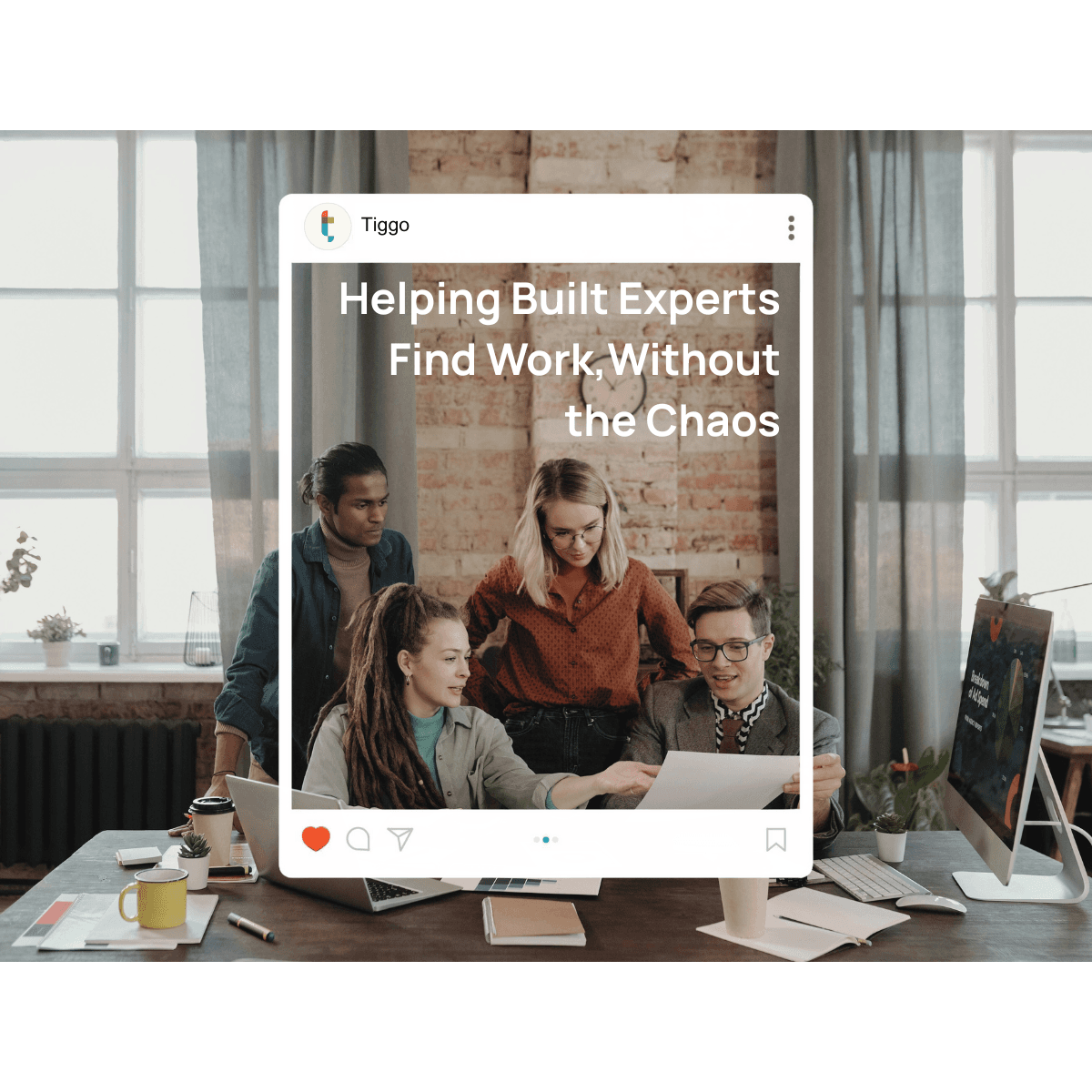
Designing Tiggo’s Service Provider platform to connect architects, planners, and designers to RFPs that match their expertise—without the chaos, confusion, or clunky government portals.
Verticle
Team
Role
Client
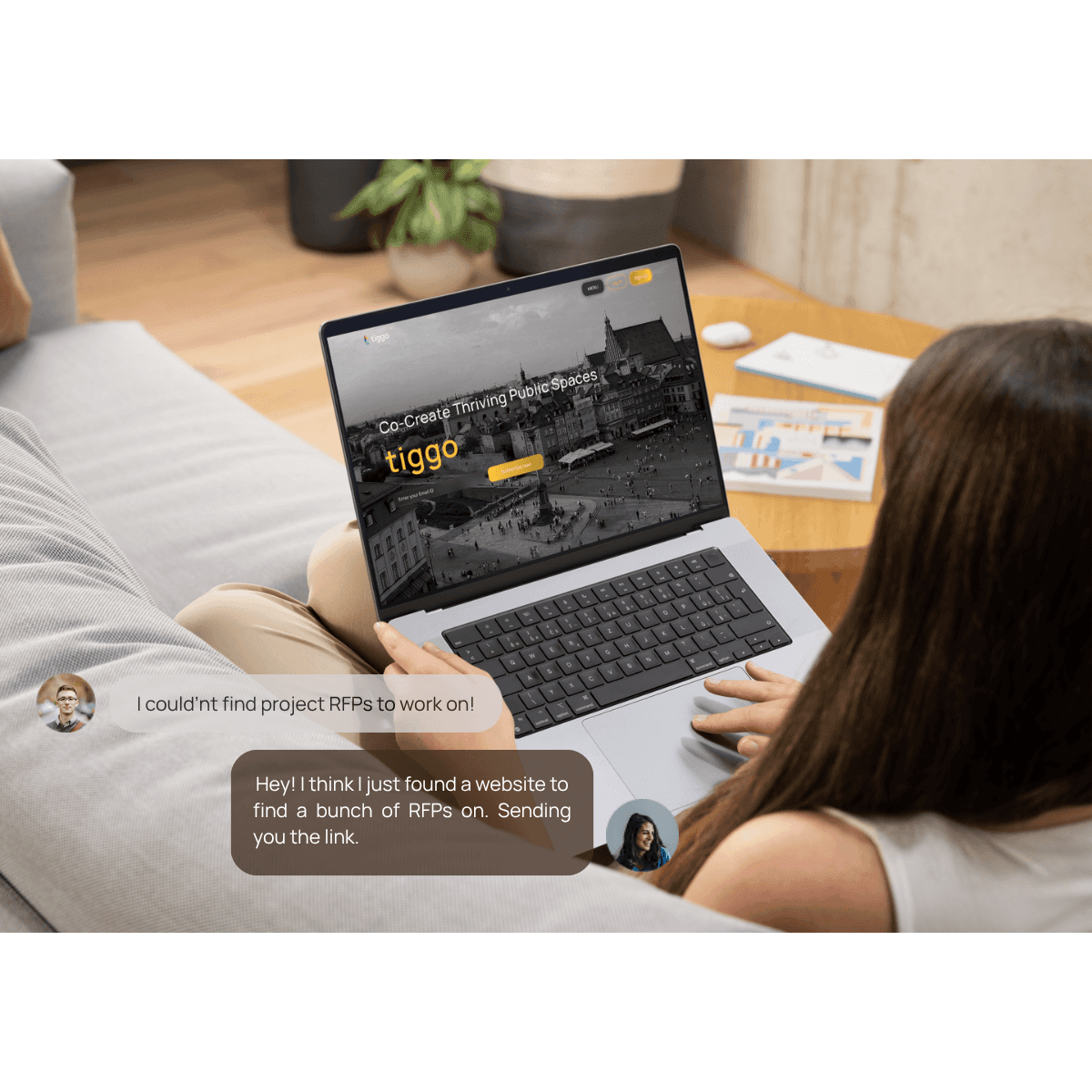
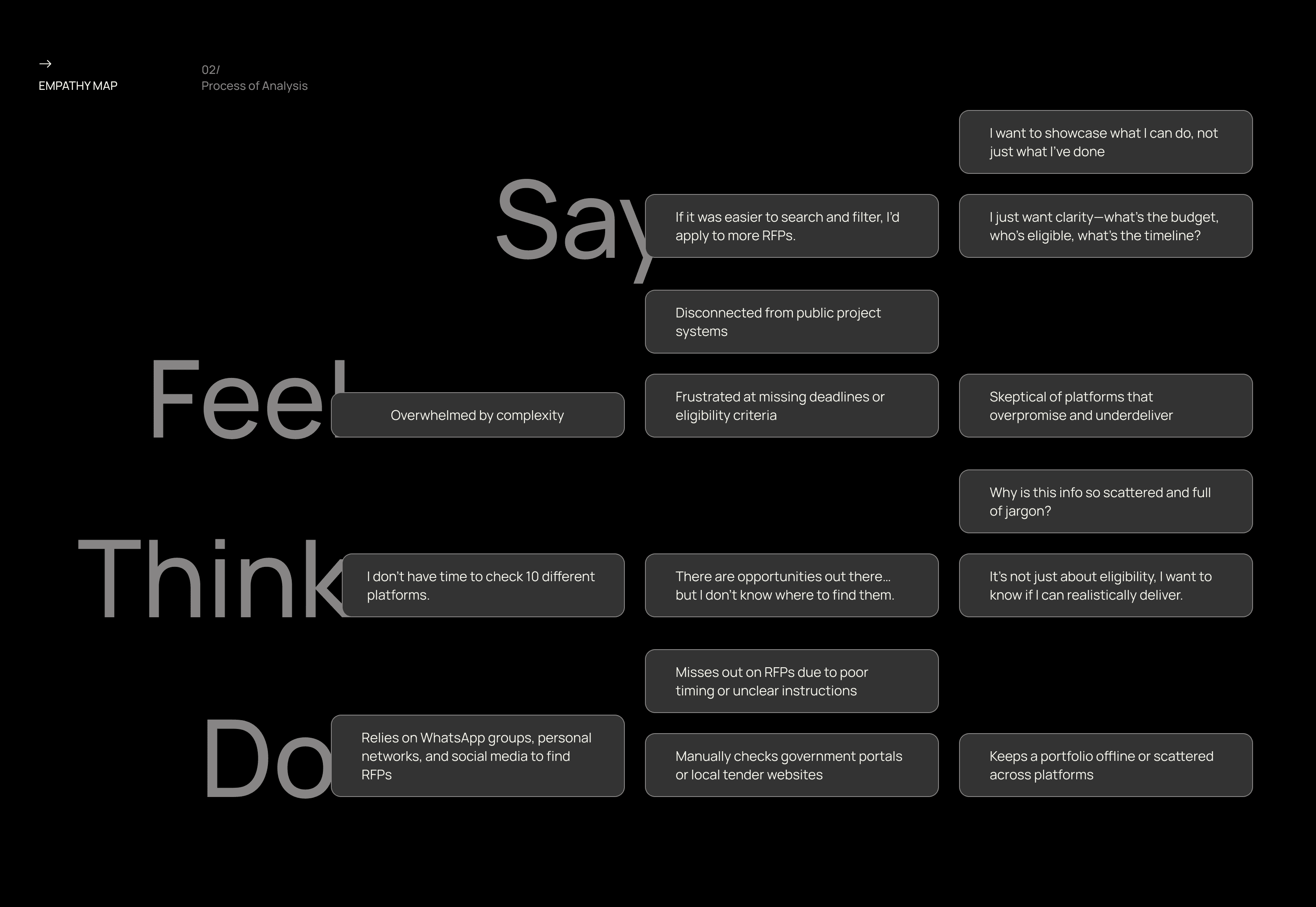
Most professionals in the built environment space don’t lack talent but they lack access. We kept hearing the same story from architects, urban designers, planners: “There are projects out there. But where do I find them? How do I know if I’m eligible? It’s such a waste of time.” So we asked ourselves the big “So what?”
Tiggo had the potential to be more than a listing board infact, it could be a launchpad. I decided to design a tool that didn’t just list RFPs, but moved professionals closer to real, paid opportunities.
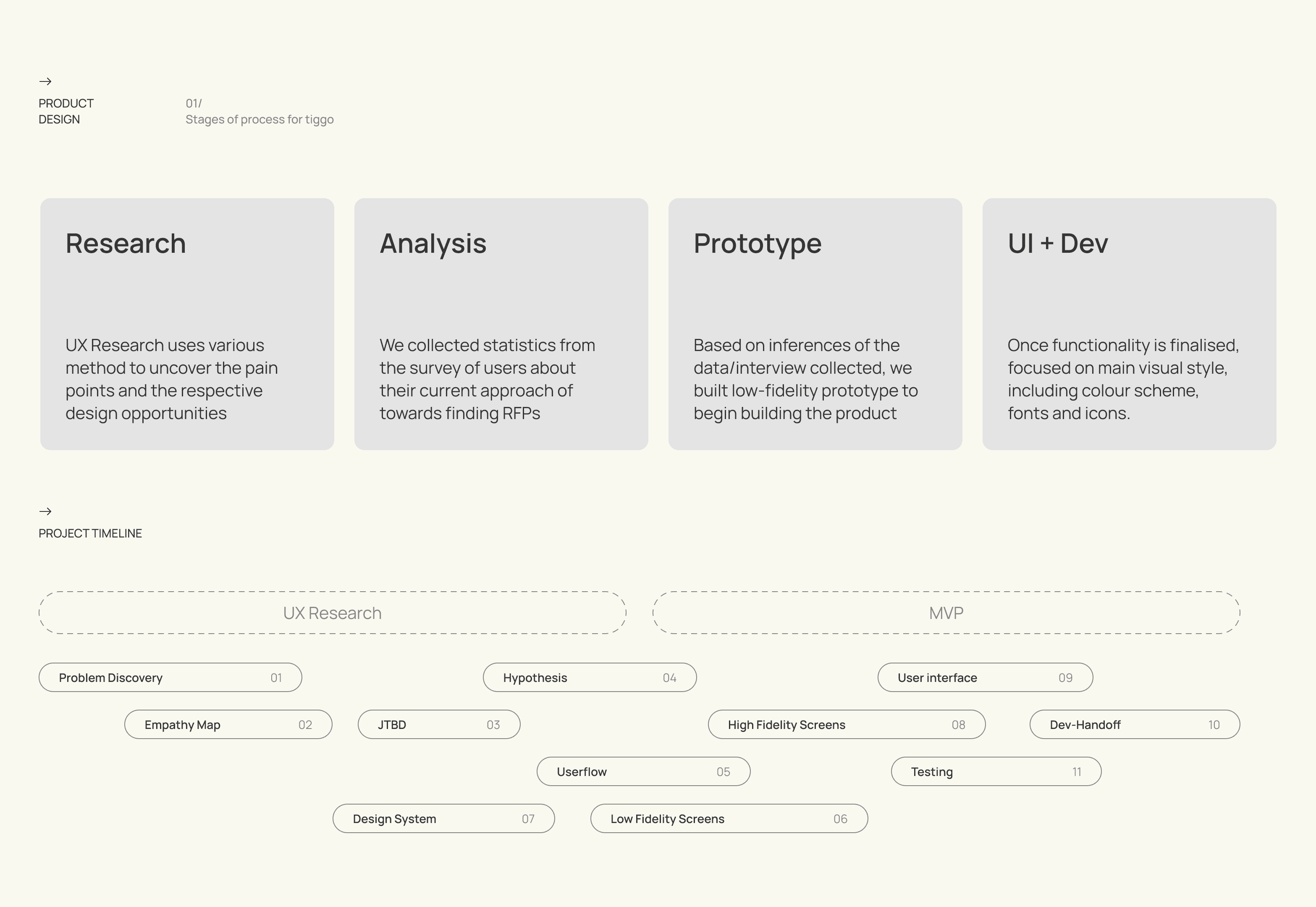
I Started With One Question: What Would Make This Less Frustrating?
Through interviews and analysis, I learnt that users often stumbled upon RFPs too late. The process was scattered LinkedIn threads, government portals, WhatsApp groups. Everyone wanted: discoverability, relevance, and ease of applying and there is no single place to give them these!
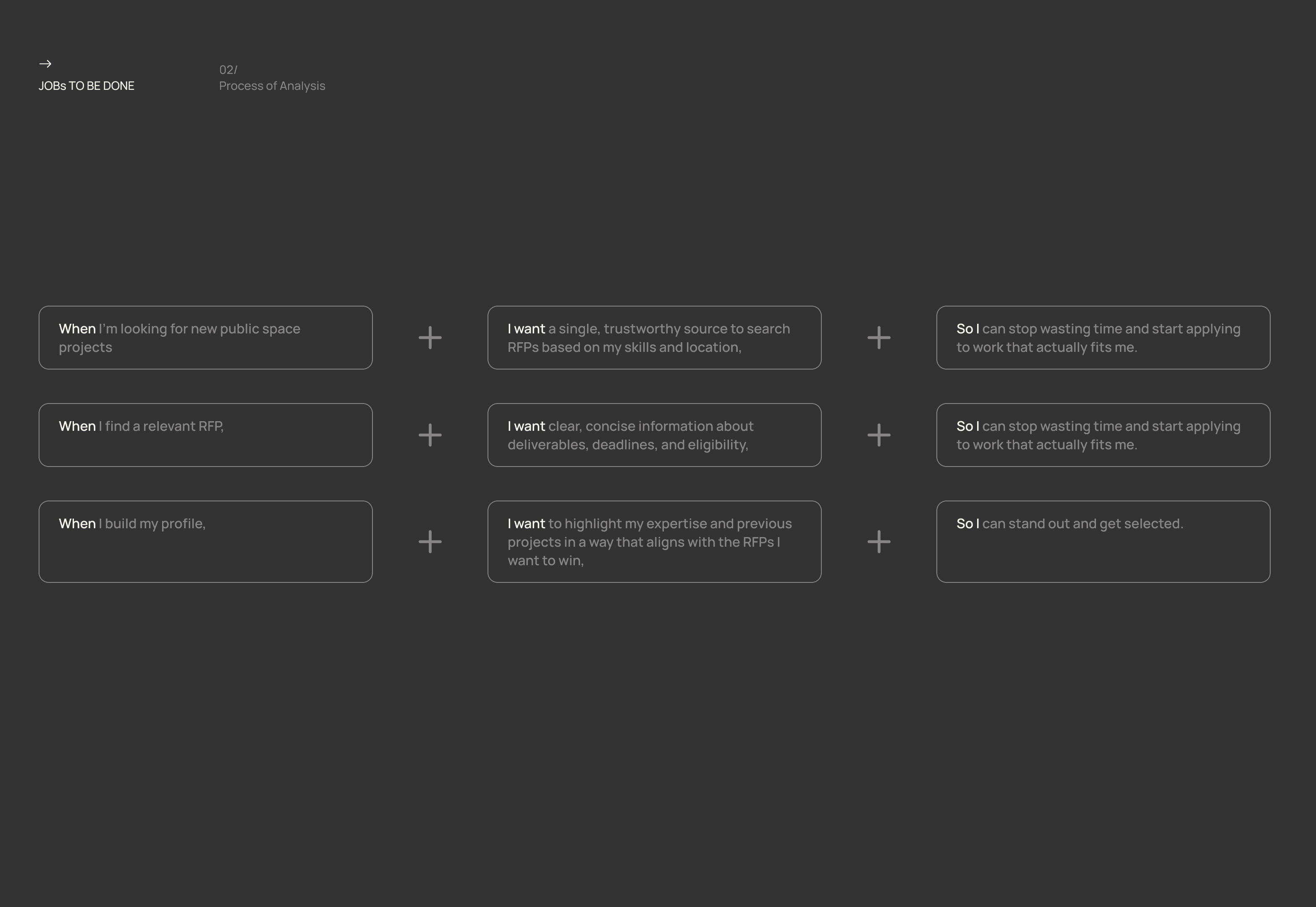
This insight clarified the mission: Make discovery intuitive, make applications accessible, and make profiles matter.
So what are the possible solutions + further steps?
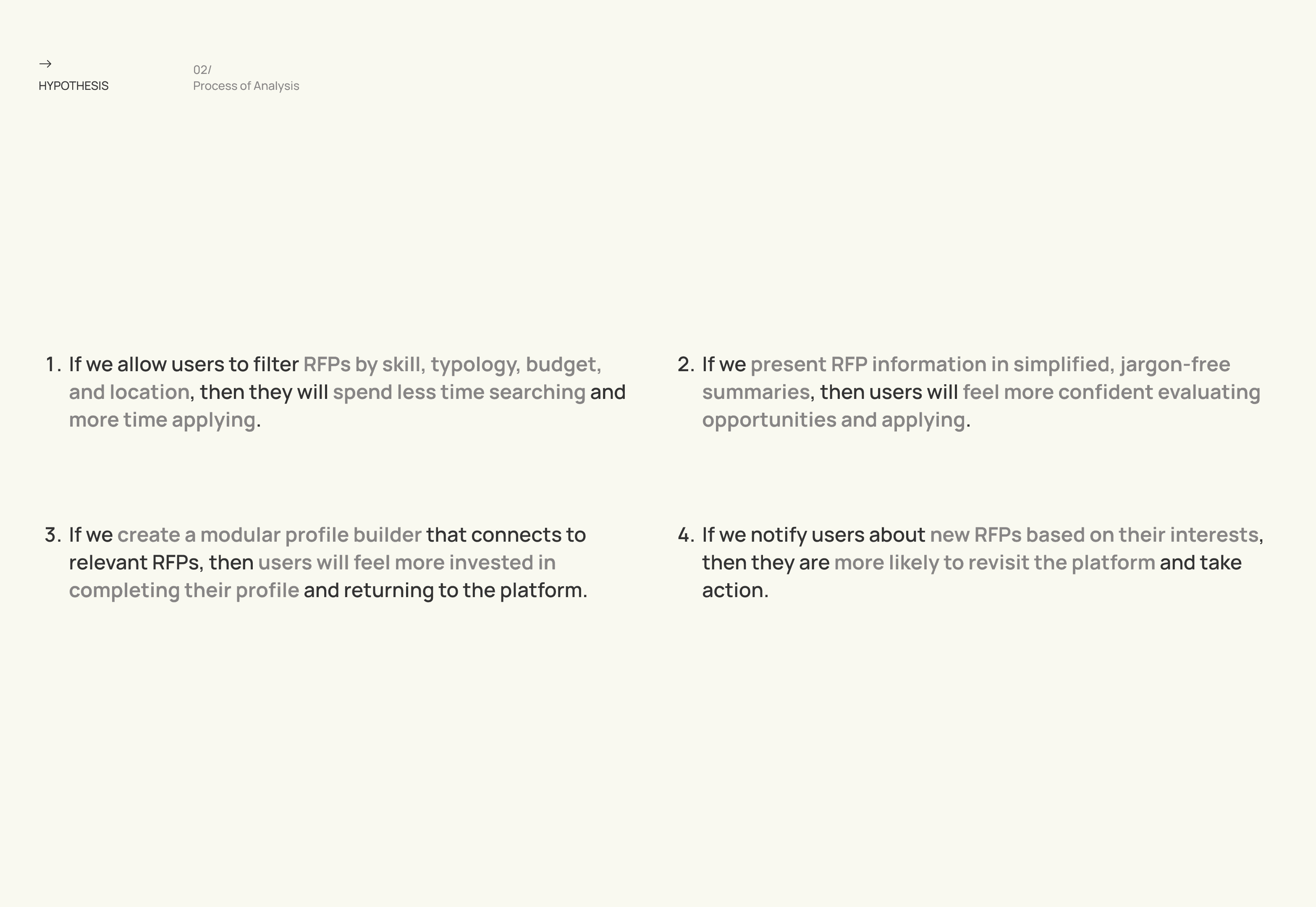
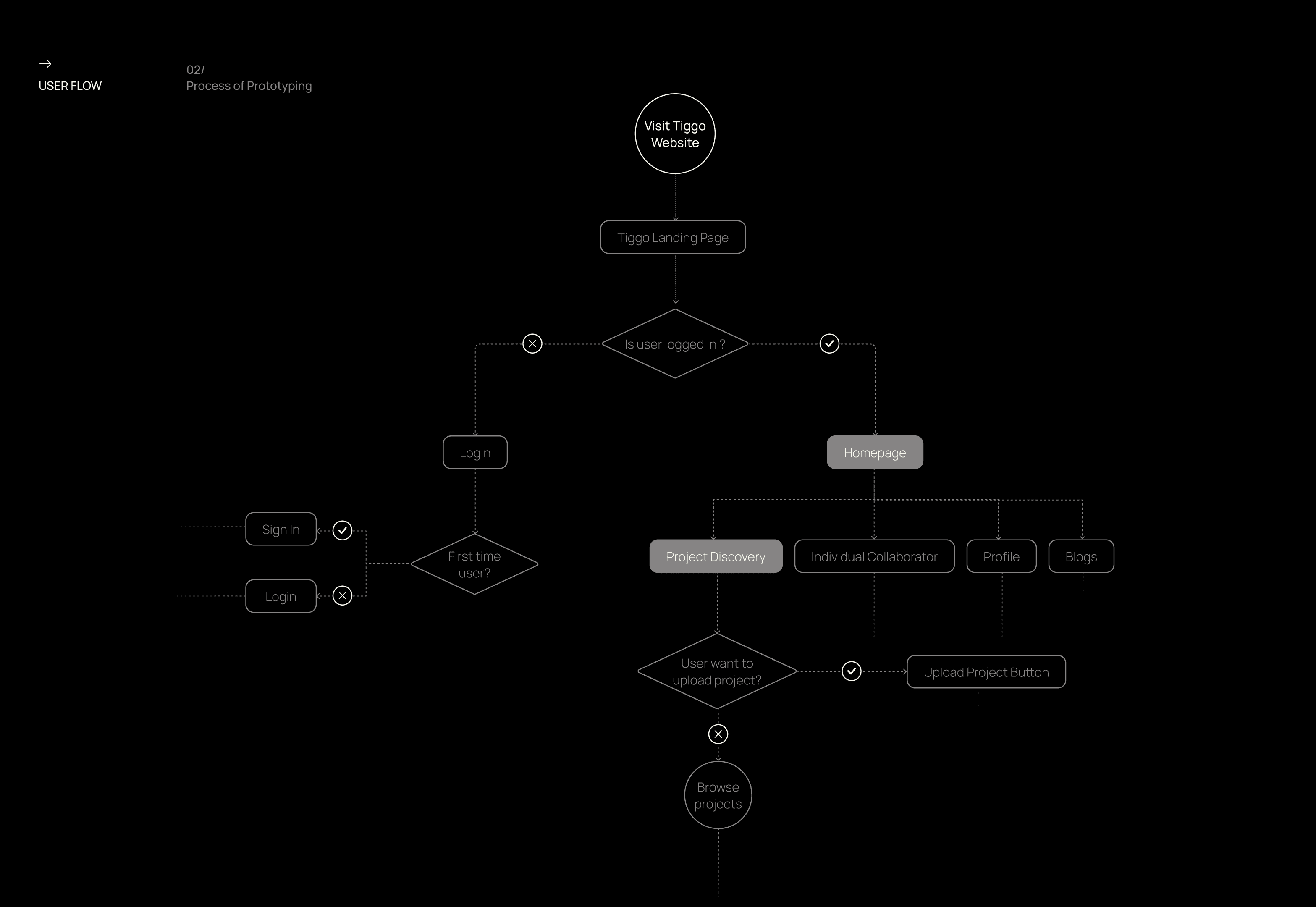
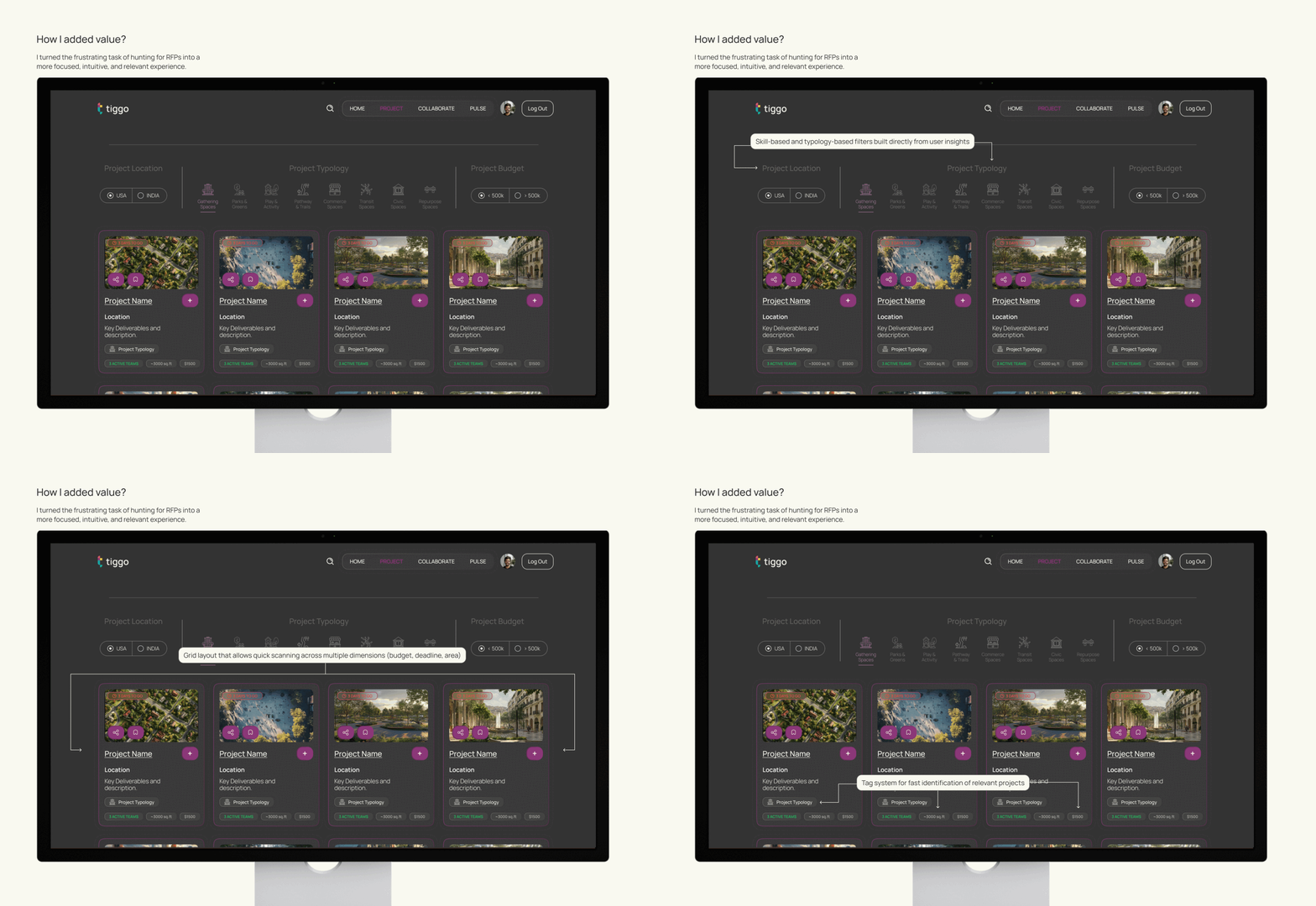
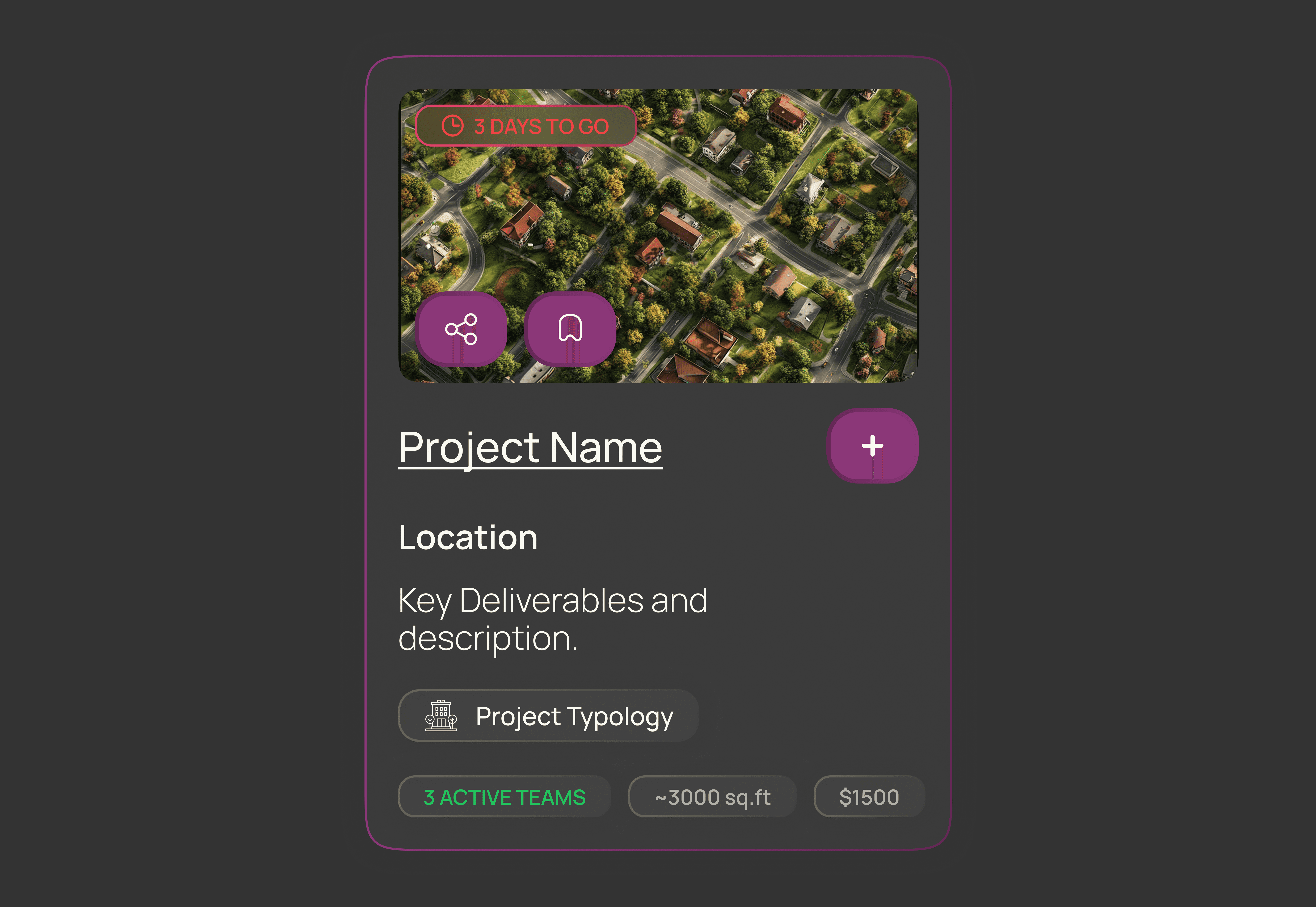
Prioritized a simple yet powerful RFP feed; Filters that actually mattered—location, typology, budget, team size; Built in application workflows: read → evaluate → apply; Added a “profile” space for users to highlight their work and expertise.
Making the Platform Feel Less Like Government Paperwork, More Like Real Work
“Clean, no-nonsense design. I wanted it to feel helpful—not like a lecture.”
My design goals included building a UX flow focused on reducing time-to-action. Used microcopy to humanize each step and help users stay confident. Designing a minimal, modular interface in Figma. Establishing the visual hierarchy made key info pop: deadlines, eligibility, project type.
Users didn’t need more information, what they needed was- the right information, clearly and calmly presented.
Brand Strategy: Building Trust Through Clarity & Belonging
Tiggo’s Service Provider product wasn’t just about usability, it was about earning trust in a broken system. The brand strategy focused on making the platform feel clear, empowering, and genuinely human.
Pillars: Access, Clarity, and Belonging shaped every design choice.
Tone: Helpful, jargon-free, and respectful of user's expertise.
Visuals: Bold but warm; mirroring the values of public space makers.
Because when professionals feel seen and respected, they engage deeper. That’s what made this more than just a platform- it became a space they felt was built for them.
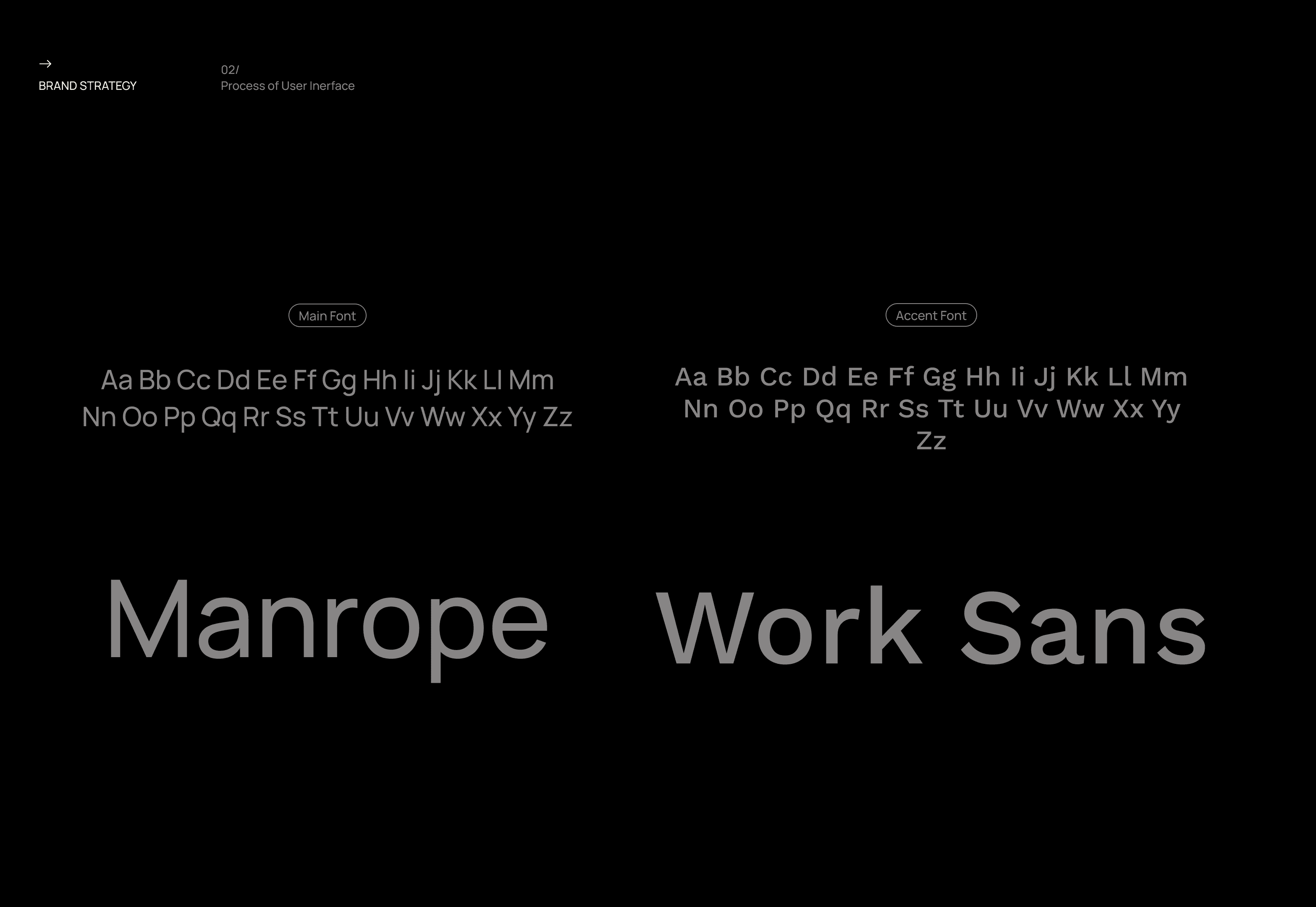
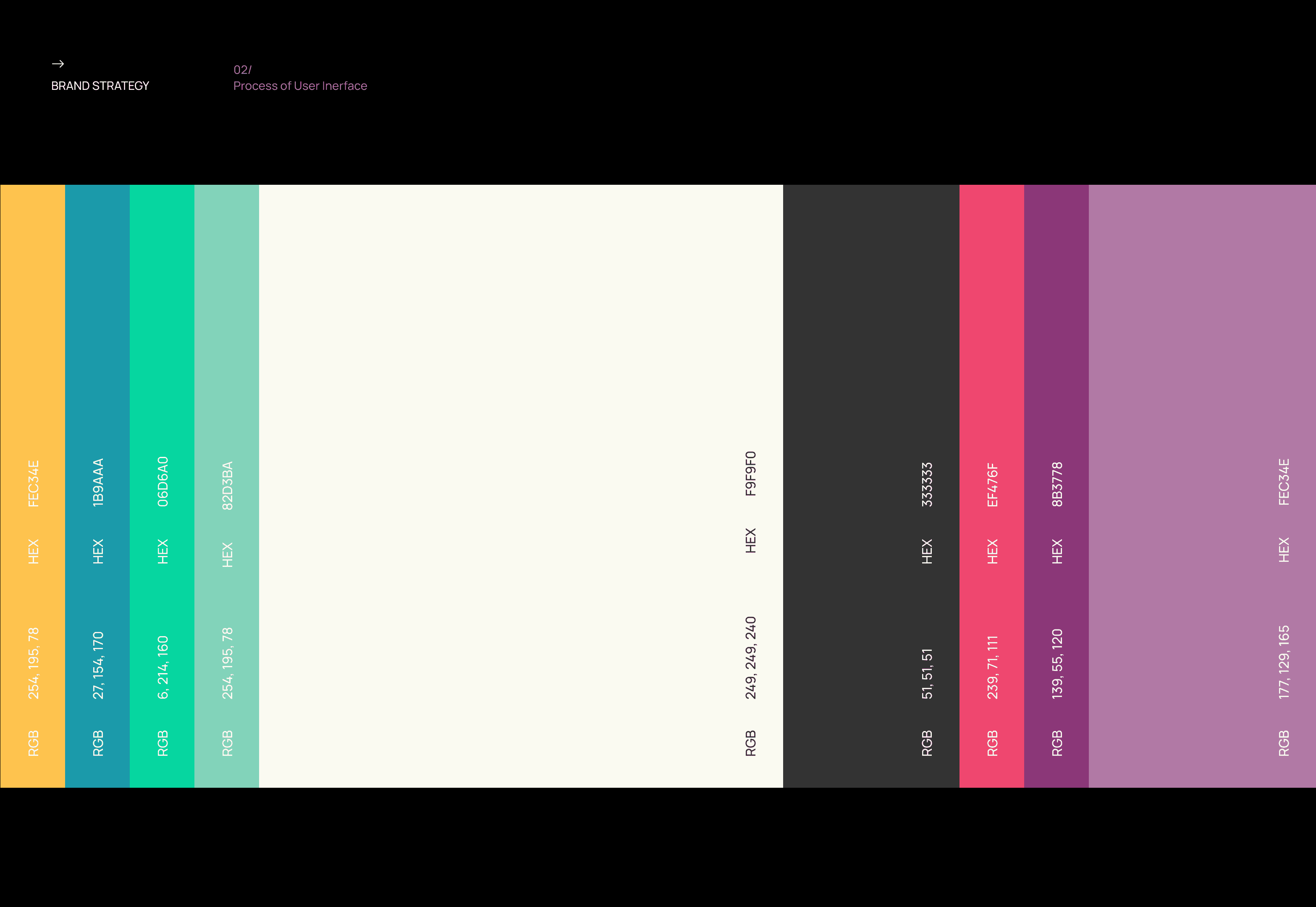
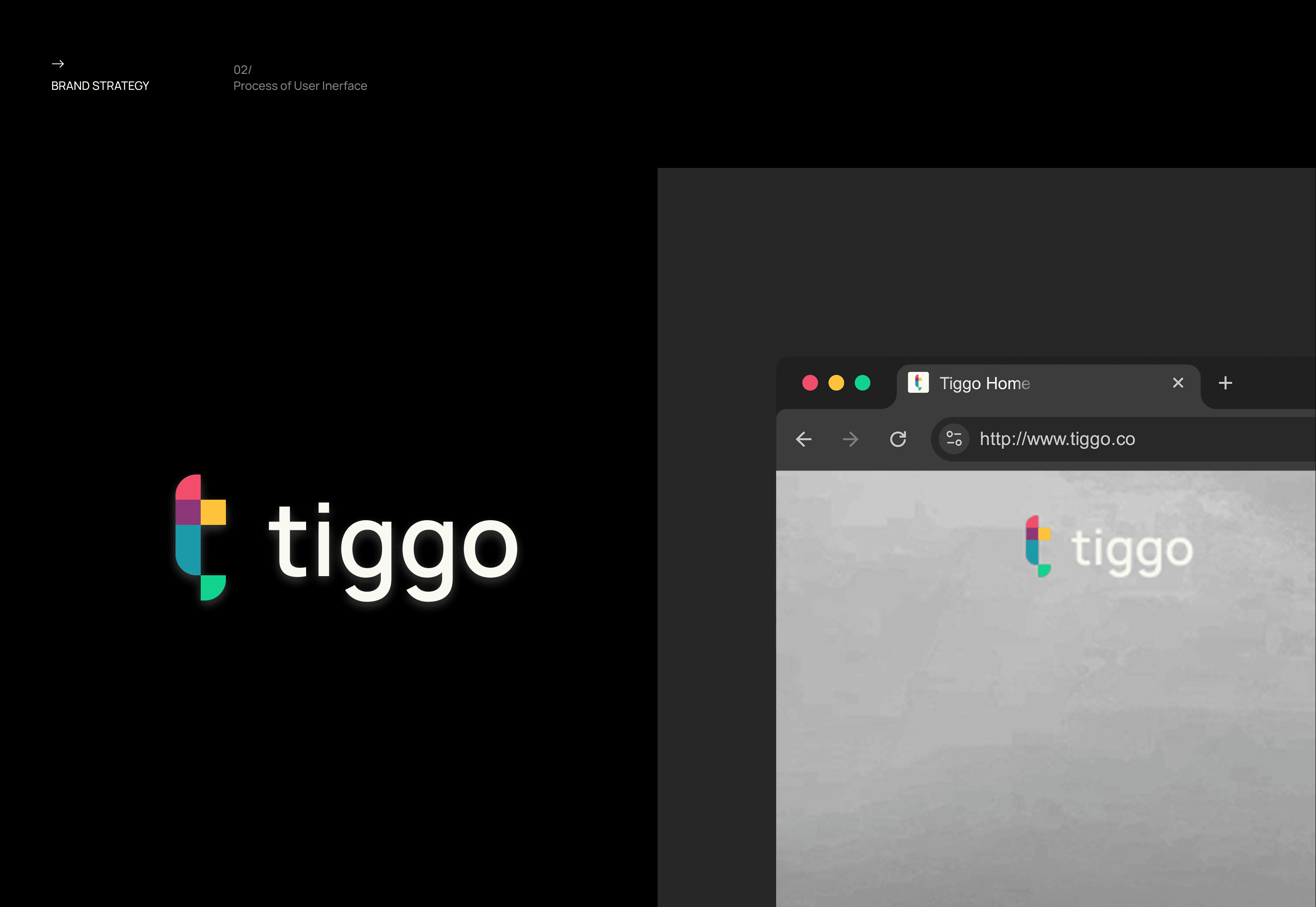
Interface in Action: Designing Every Step Mindfully
Each screen in the Tiggo Service Provider flow was crafted to serve a very specific moment in the user journey. This wasn’t about visual flair for its own sake, it was about making every click, scroll, and input feel meaningful, confident, and easy.
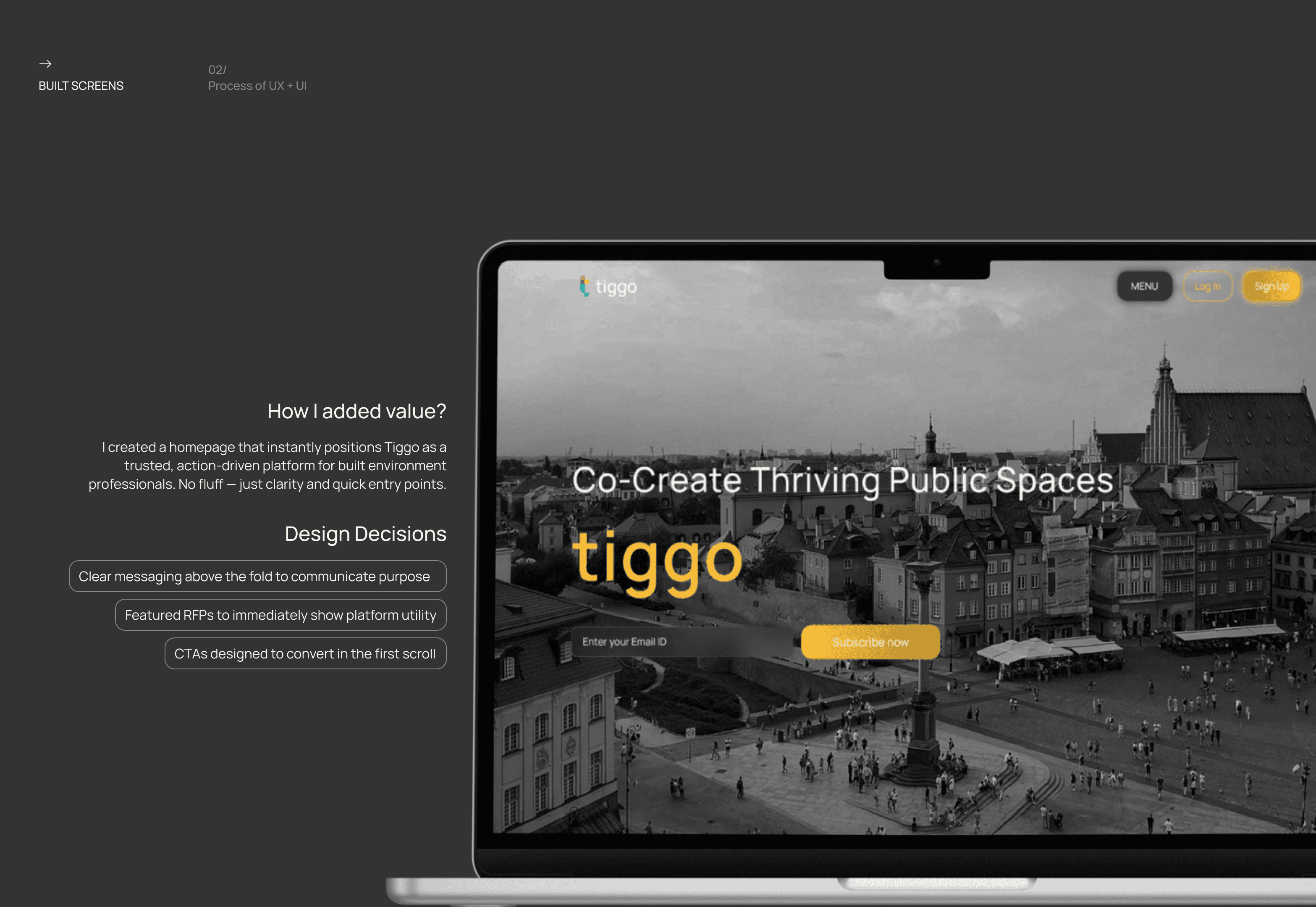

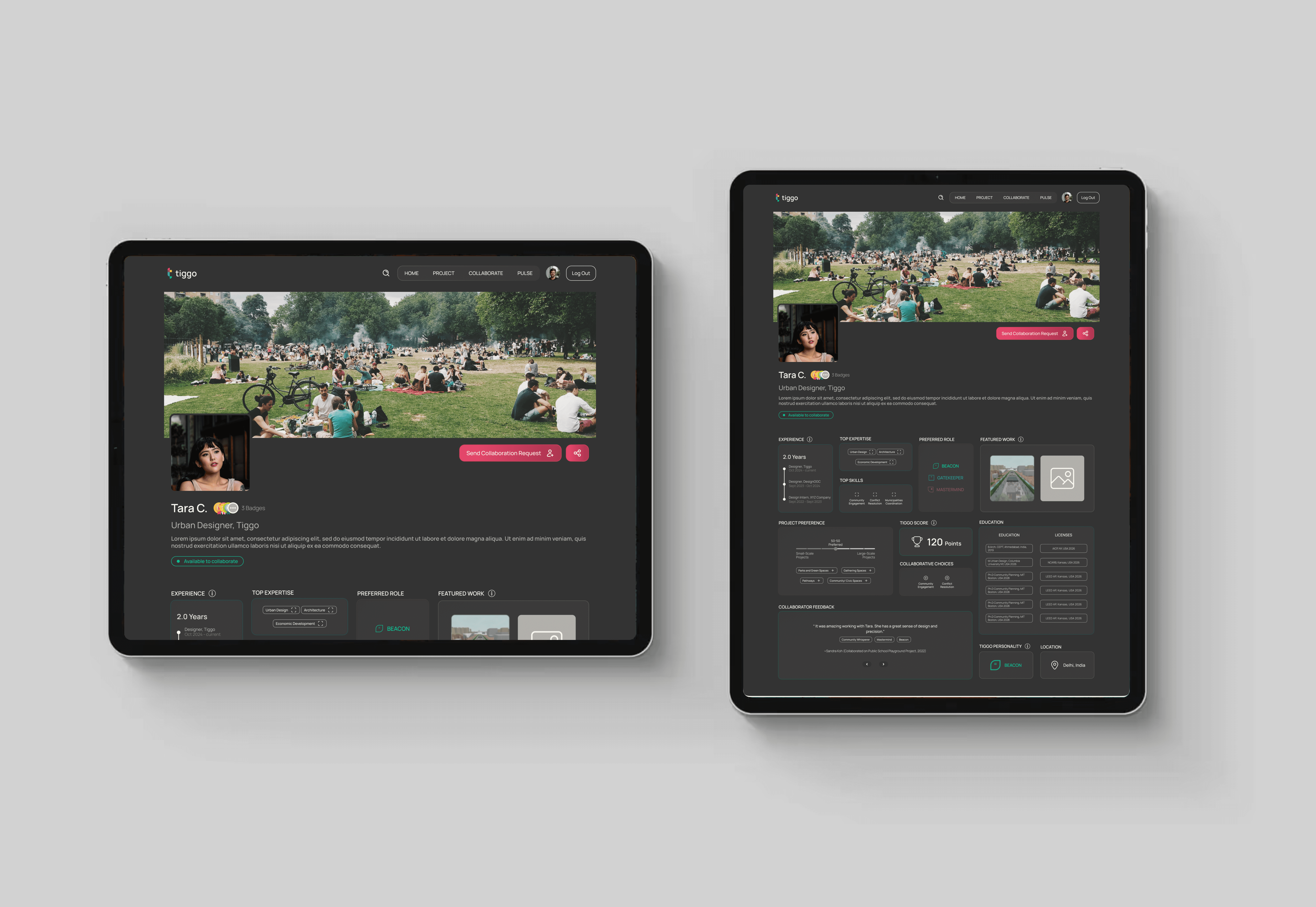
Profile Page of Tiggo - How I added valued:
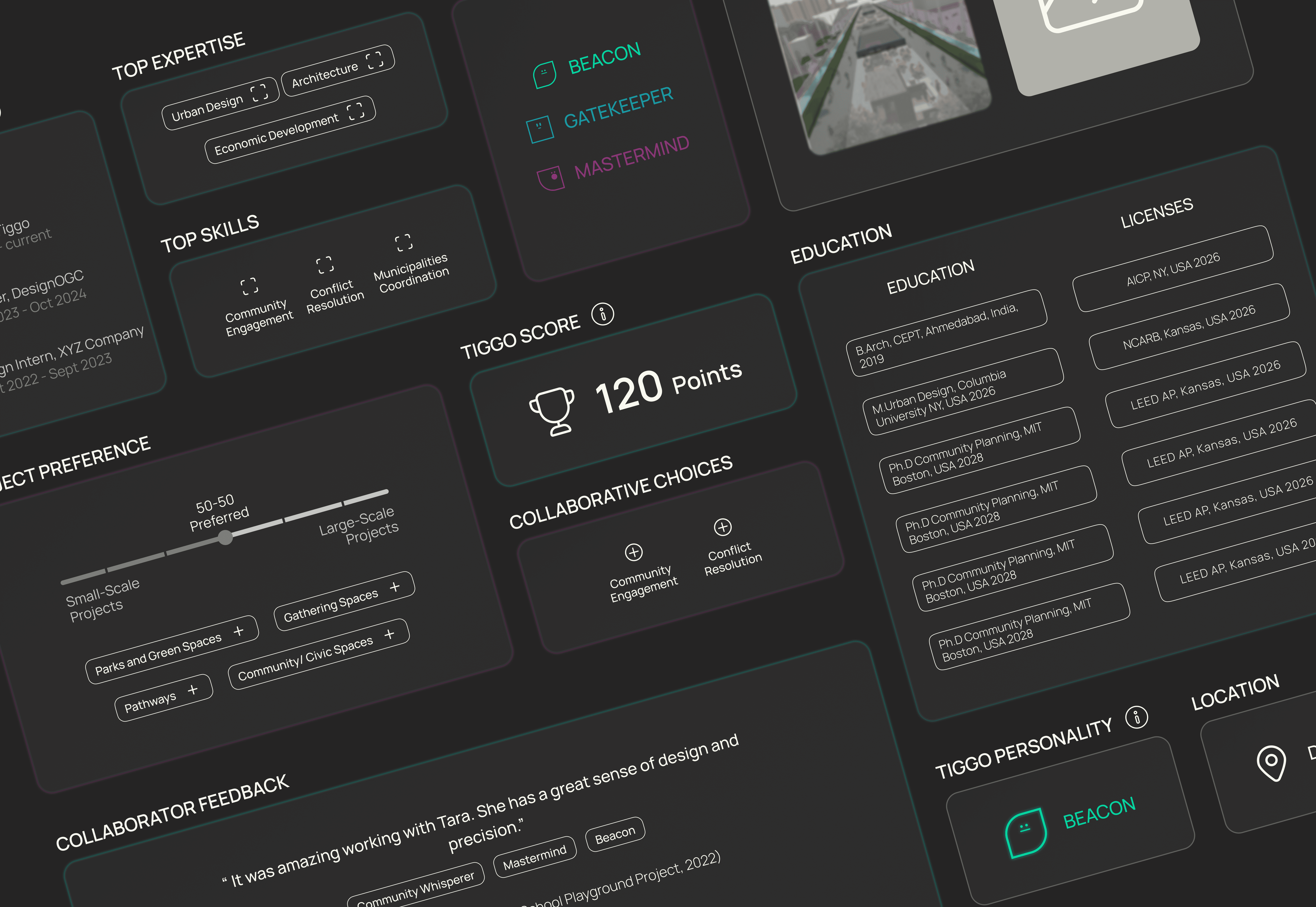
I designed the profile as a dynamic portfolio tool — something that reflects the user’s identity, not just their data.
Design Intentions:
Modular inputs based on real-world service provider credentials (experience, scale, typology, geography)
Profile-preview feature for user confidence
Designed to fuel smarter RFP recommendations through data alignment
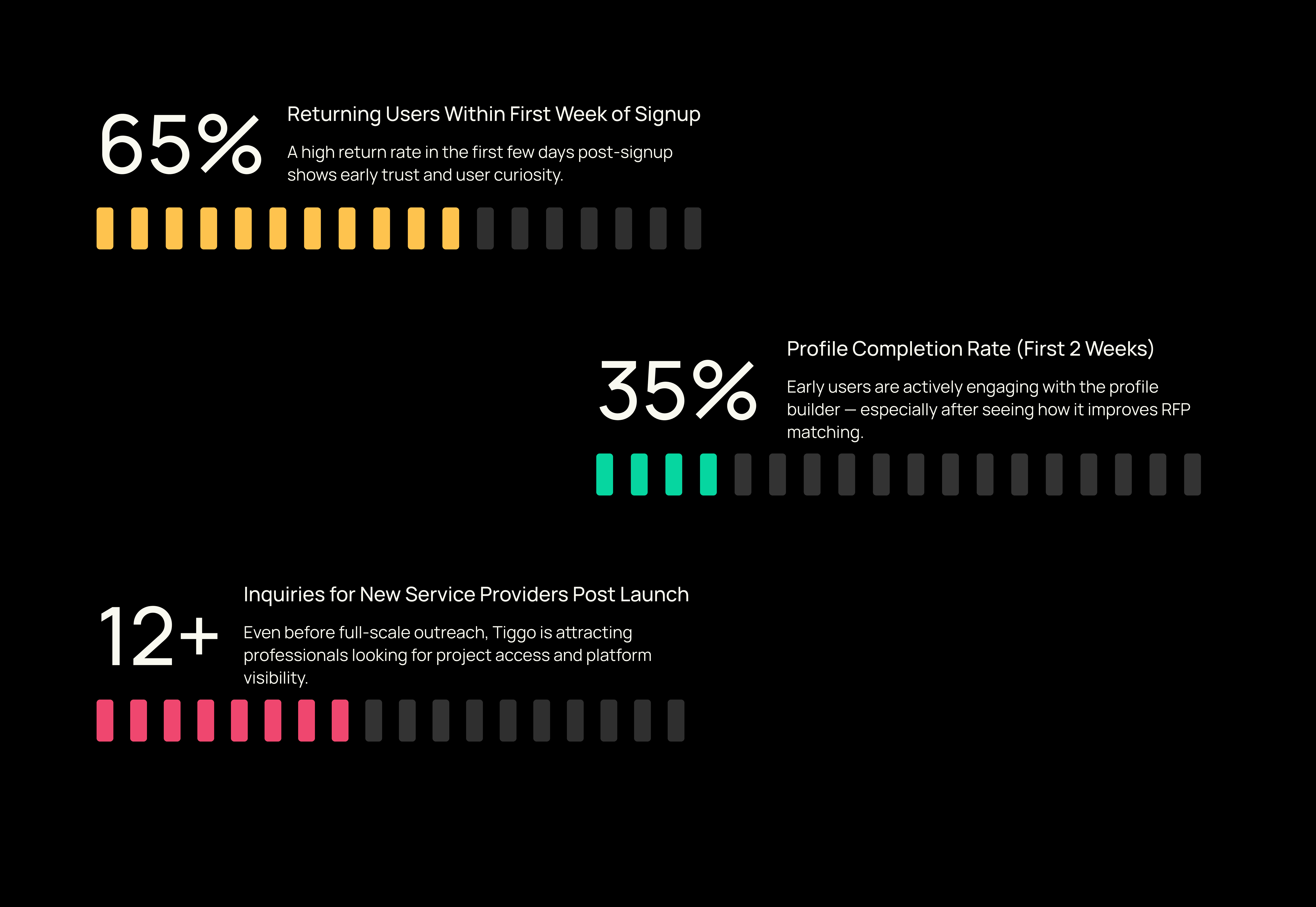
Outcomes: Less Time Searching, More Time Building
“Now they weren’t just finding work — they were finally feeling seen. They were part of something bigger.”
This wasn’t just a UX glow-up. This was a shift in how built environment professionals interacted with opportunity. We didn’t just simplify a process, we created a pipeline. One that felt fair, usable, and worth coming back to.
Tiggo’s Service Provider platform wasn’t just about better UX instead, it was about restoring access, trust, and dignity for professionals who’ve long worked around broken systems.
Designing this wasn’t just about interaction. It was about impact, one opportunity at a time.